South African agriculture faces unique challenges: water scarcity, load-shedding, vast distances between farm sections, and the pressure to meet export-quality standards. IoT monitoring isn't just a technology trend in this sector — it's delivering measurable returns within a single growing season.
Water: the most immediate ROI
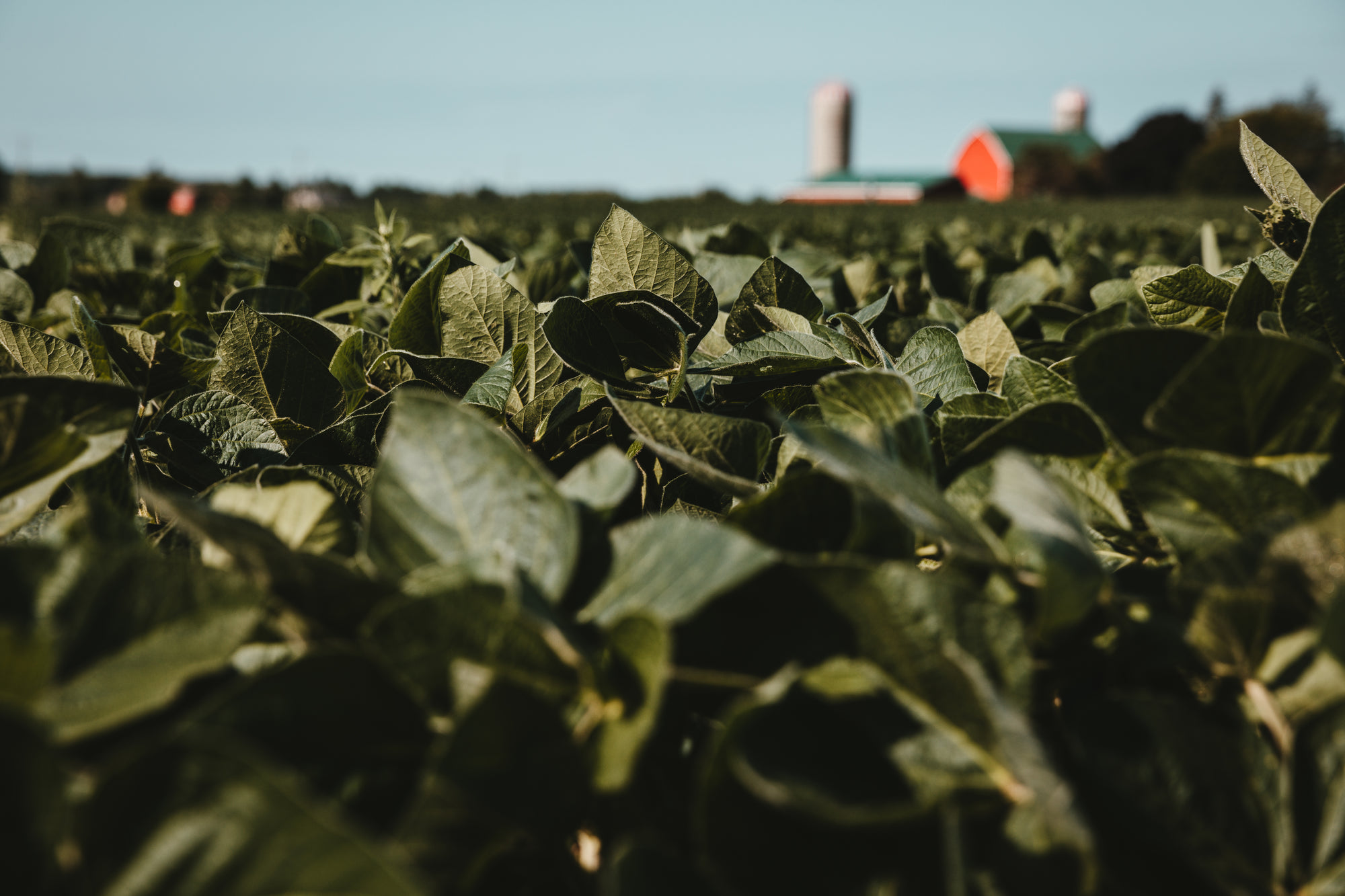
On a 200-hectare citrus estate in Limpopo, soil moisture sensors deployed across 14 irrigation zones now feed real-time data to a central dashboard. Before IoT monitoring, irrigation decisions were based on a weekly manual inspection. After deployment, the farm reduced water consumption by 34% in the first season — while maintaining yield.
How it works: sensors measure volumetric water content at three depths per zone. The data travels via LoRaWAN to a gateway, then to the cloud. The farm manager views a dashboard showing which zones need irrigation and which don't. Alerts trigger when moisture drops below crop-specific thresholds.
The system paid for itself in water savings alone within eight months.
Cold chain: protecting export value
A logistics company moving fresh produce from Limpopo to Johannesburg cold storage facilities deployed temperature and humidity sensors in their refrigerated trailers. Real-time alerts now notify the operations manager if any trailer's temperature deviates from the specified range during transit.
Before monitoring, temperature excursions were discovered only at delivery — when the produce was already compromised. Now, drivers receive an alert and can address the issue immediately. Rejected loads dropped by 70% in the first six months.
Load-shedding: the IoT killer (and how to beat it)
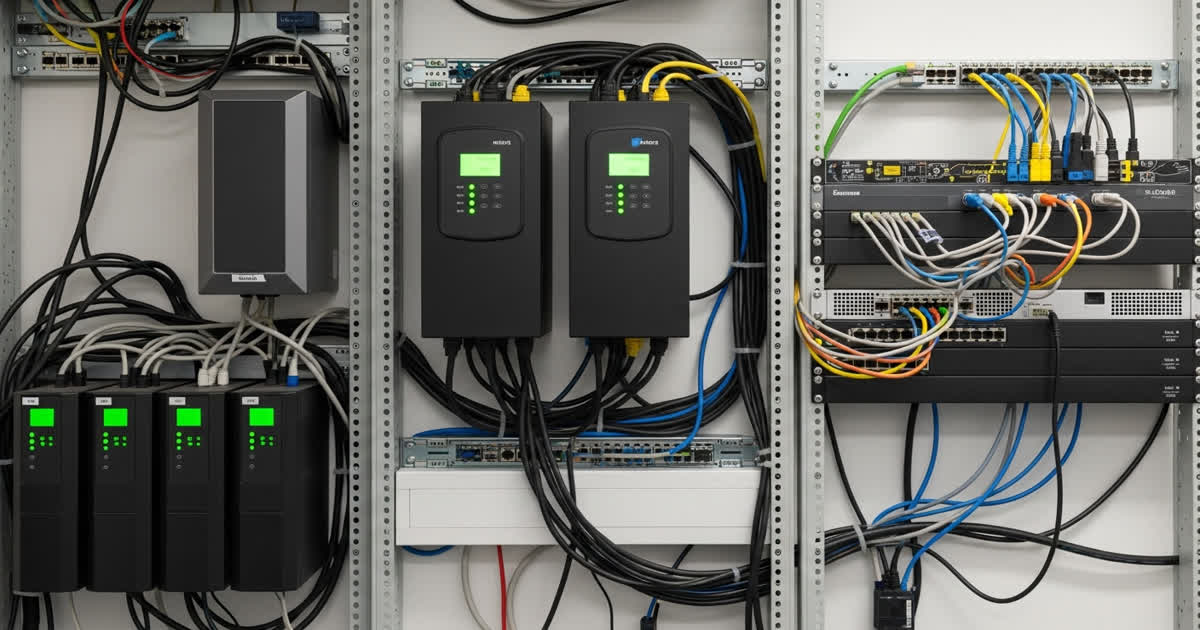
The biggest challenge for SA agricultural IoT isn't technology — it's power. Farm gateways and sensors need to survive 4–8 hour outages during load-shedding. The solution is threefold:
Solar-powered gateways:: A small solar panel and battery keep the LoRaWAN gateway running indefinitely.
Low-power sensors:: LoRaWAN sensors typically run 2–5 years on a single battery because they transmit tiny data packets infrequently.
Local buffering:: If the cloud connection drops, gateways buffer data locally and upload when connectivity returns.
What you can monitor
Soil:: moisture, temperature, electrical conductivity (salinity)
Water:: tank levels, flow rates, pump status, borehole depth
Weather:: rainfall, temperature, humidity, wind speed, leaf wetness
Equipment:: pump runtime, generator status, fence voltage
Facilities:: cold room temperature, packhouse humidity, diesel tank levels
Getting started
You don't need to instrument every hectare on day one. Start with your highest-value or most water-intensive crop. Deploy sensors in 3–5 zones. Run for a full growing season. Compare water usage, yield, and labour costs against previous seasons. The data will tell you whether to expand.
The technology is ready. The economics work. The missing piece for most SA farms is simply knowing where to start — and having someone who can integrate the hardware, connectivity, and dashboard into a system that the farm manager actually uses.